This post may contain affiliate links. If you buy through them, I may earn a commission at no extra cost to you.
I’ve written about what I’d buy if you’re starting out on a budget [link to budget gear post]. This is the other side of that: what I actually use day to day after about ten years of producing, what I love, and what I’d tell you not to rush into.

The computer: 13-inch M5 MacBook
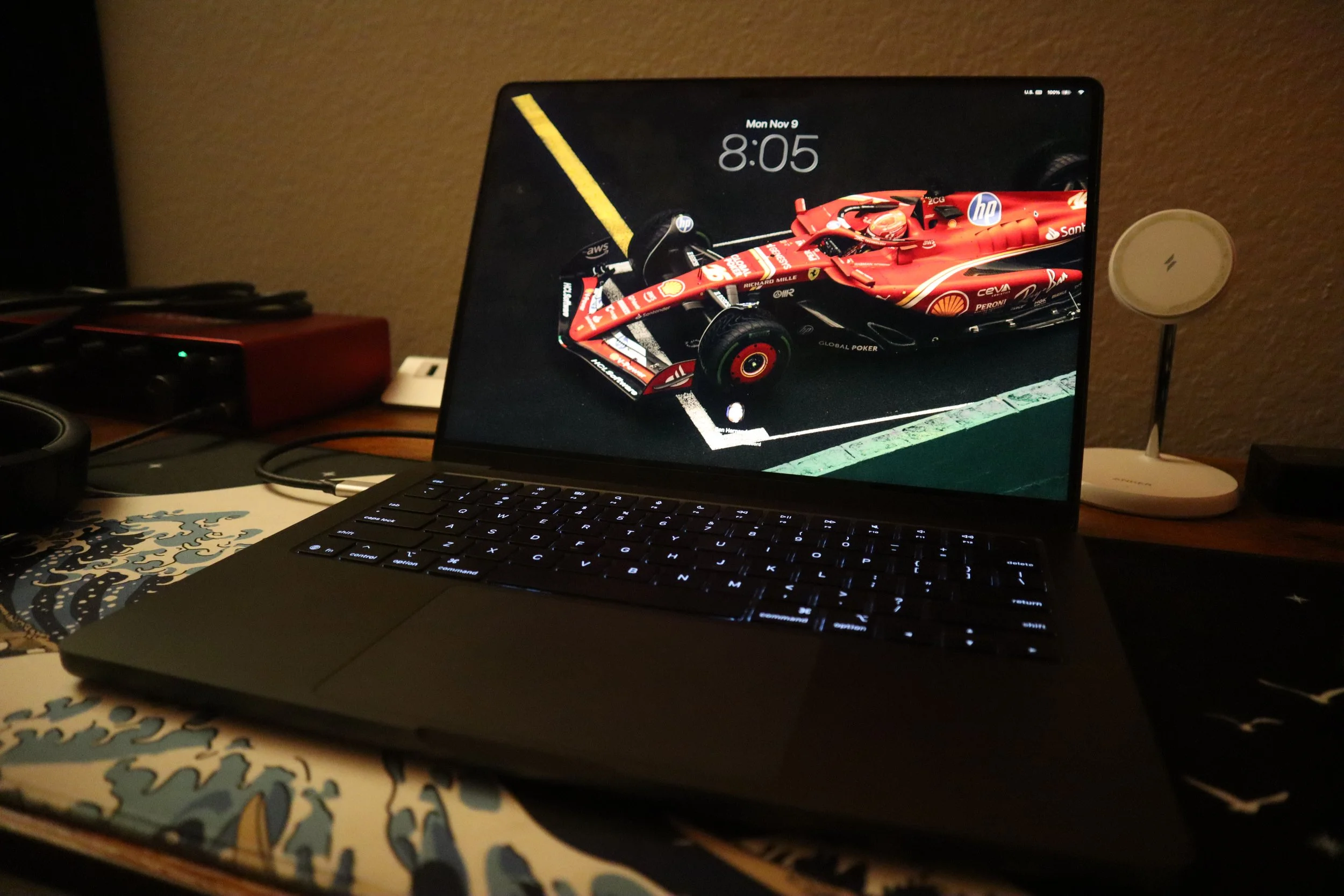
I produced on an MSI GS66 for about six years, and I only recently upgraded to a 13-inch M5 MacBook. I’d spent most of my career on Windows, so it was a big change, and the biggest difference is portability. The MacBook has the power and cooling to run my sessions without being plugged in, so I can work anywhere instead of staying near an outlet.
It also helps in studio sessions. Most of the producers I work with are on Macs, so I can AirDrop a quick idea across the room in seconds. I do still miss Windows’ file organization, since File Explorer makes it easy to find an old project or sample, but the trade has been worth it for me. I run FL Studio and Pro Tools on it.
The interface: Focusrite Scarlett 18i8 (Gen 3)
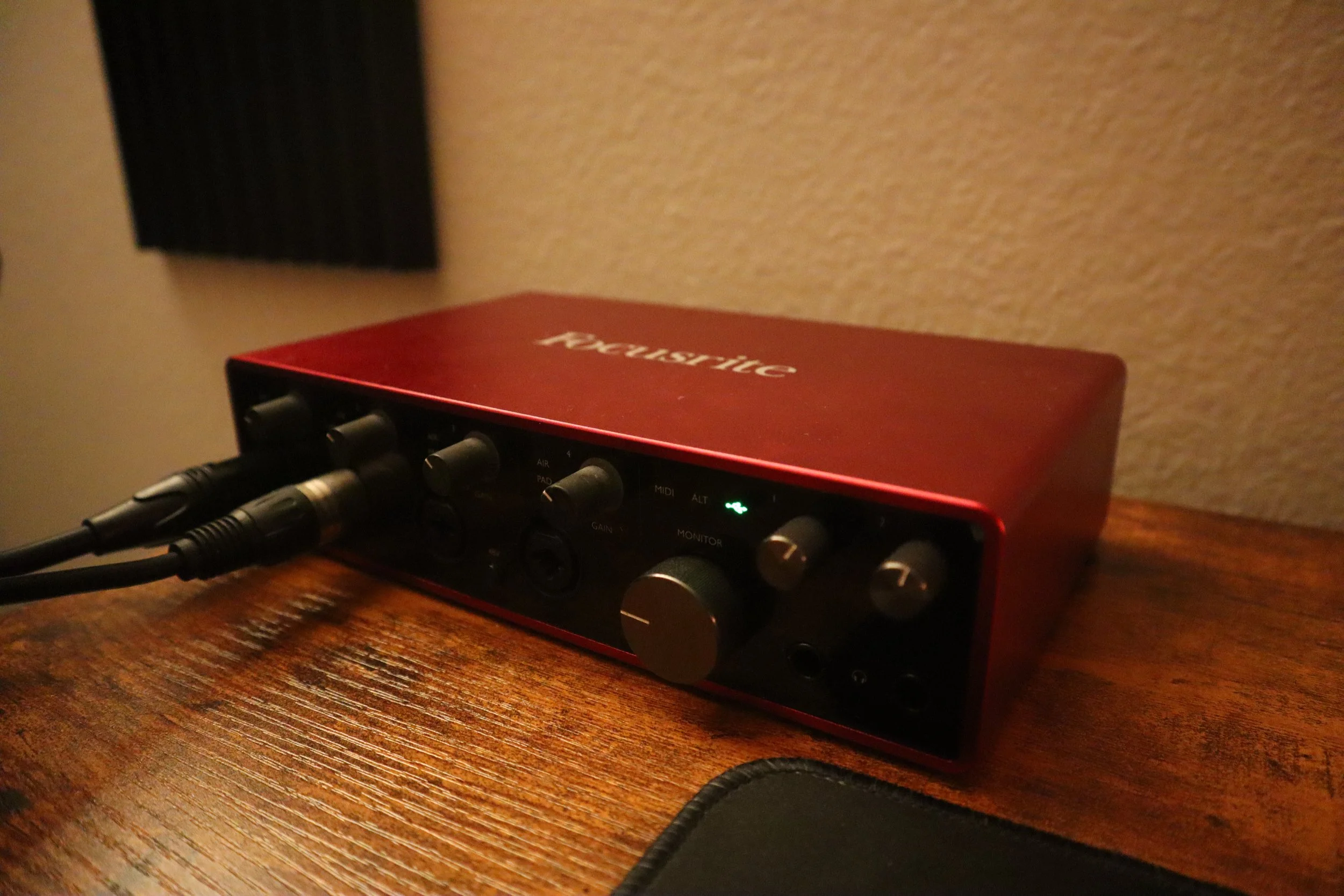
I chose the 18i8 for its inputs. I record live performances and sometimes drums, which means multiple mics at once, and this interface handles that. Most people don’t need anything close to it. If you’re recording one voice and one guitar at a time, a Scarlett Solo is plenty, which is why that’s what I recommend in my budget list. Don’t buy more inputs than you’ll actually use.
The mic: Audio-Technica AT2020

This is the mic I’ve recorded full projects on. It’s great for getting ideas down fast, and if you’re creative in the mix, it’ll take you a long way. I will say, once I started working with better mics outside of my set up, I can hear the AT2020 falling off in the high end and in the clarity. But most of the artists I work with typically bring their own mics to record when they come to my set up. And the ones that don’t are more than satisfied with with AT2020.
The monitors: KRK Rokit 5
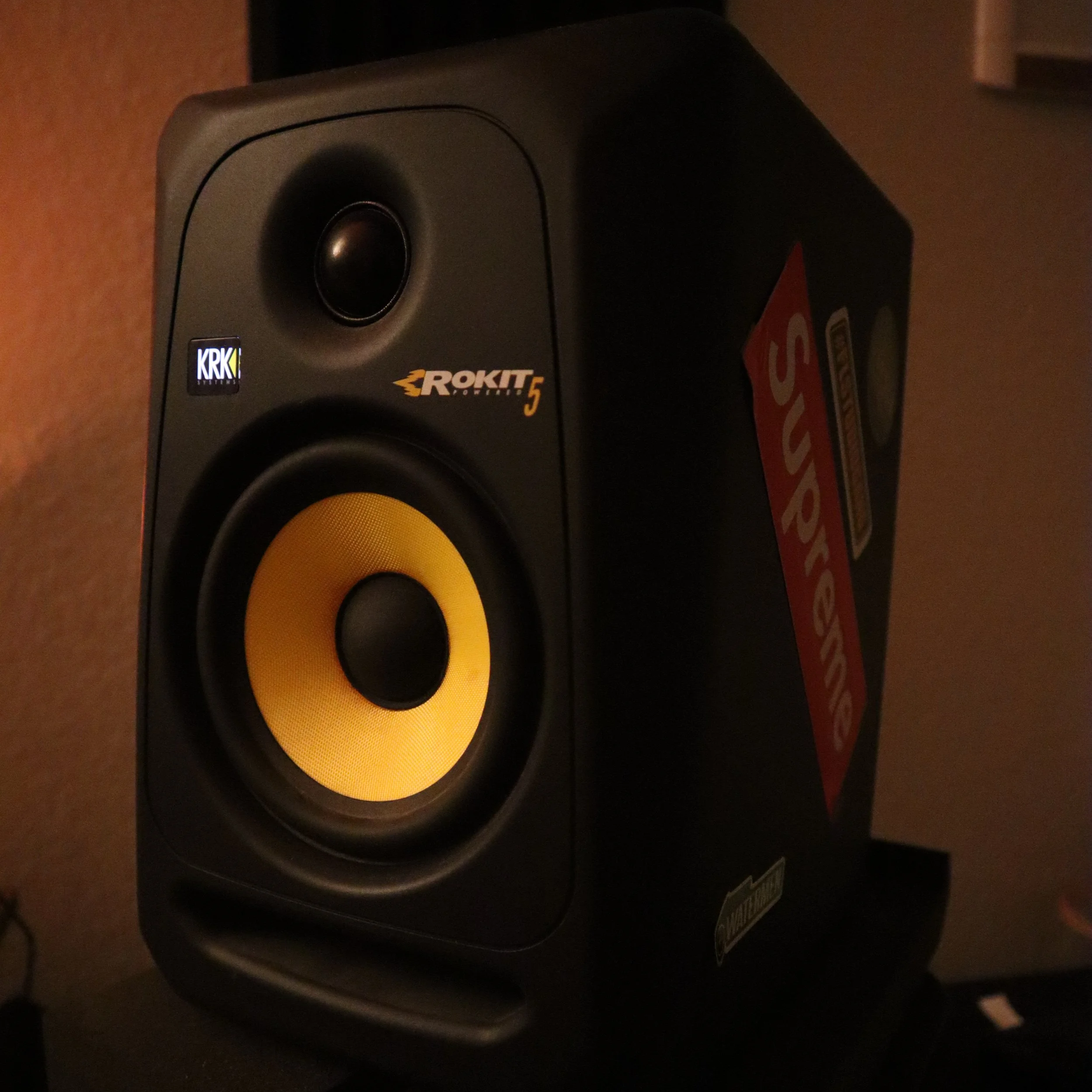
I’ve had my Rokit 5s for ten years, and they’ve never failed me. They were an upgrade from my early setup, and I’ve never felt the need to replace them. In an untreated room, they give me an honest sound, and I have been able to do rudimentary mixing on them over the years. After a decade, I know exactly how they sound, which matters more than having the “best” speakers. When you know your monitors well, your mixes translate better to other systems.
The headphones: Audio-Technica ATH-M40x
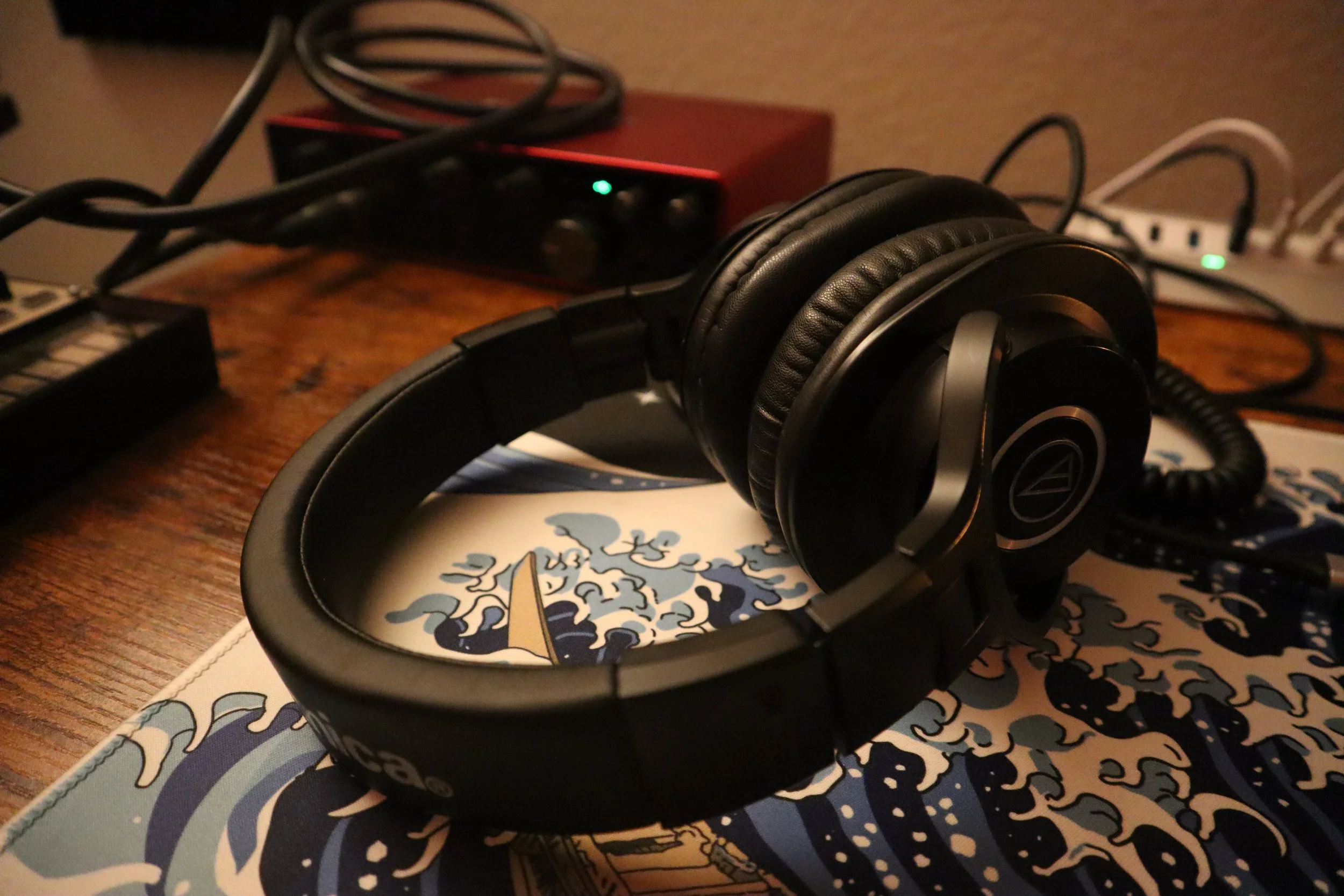
These are my everyday headphones. They’re honest, meaning they don’t hype up the bass, so what I hear is what’s in the mix. The earcups swivel for tracking with one ear off, and the cable is detachable, so a broken cable doesn’t mean buying a new pair. I’ve also seen the cheaper M20x in some of the studios I work in, and they’re a solid budget choice.
The MIDI keyboard: M-Audio Oxygen Pro
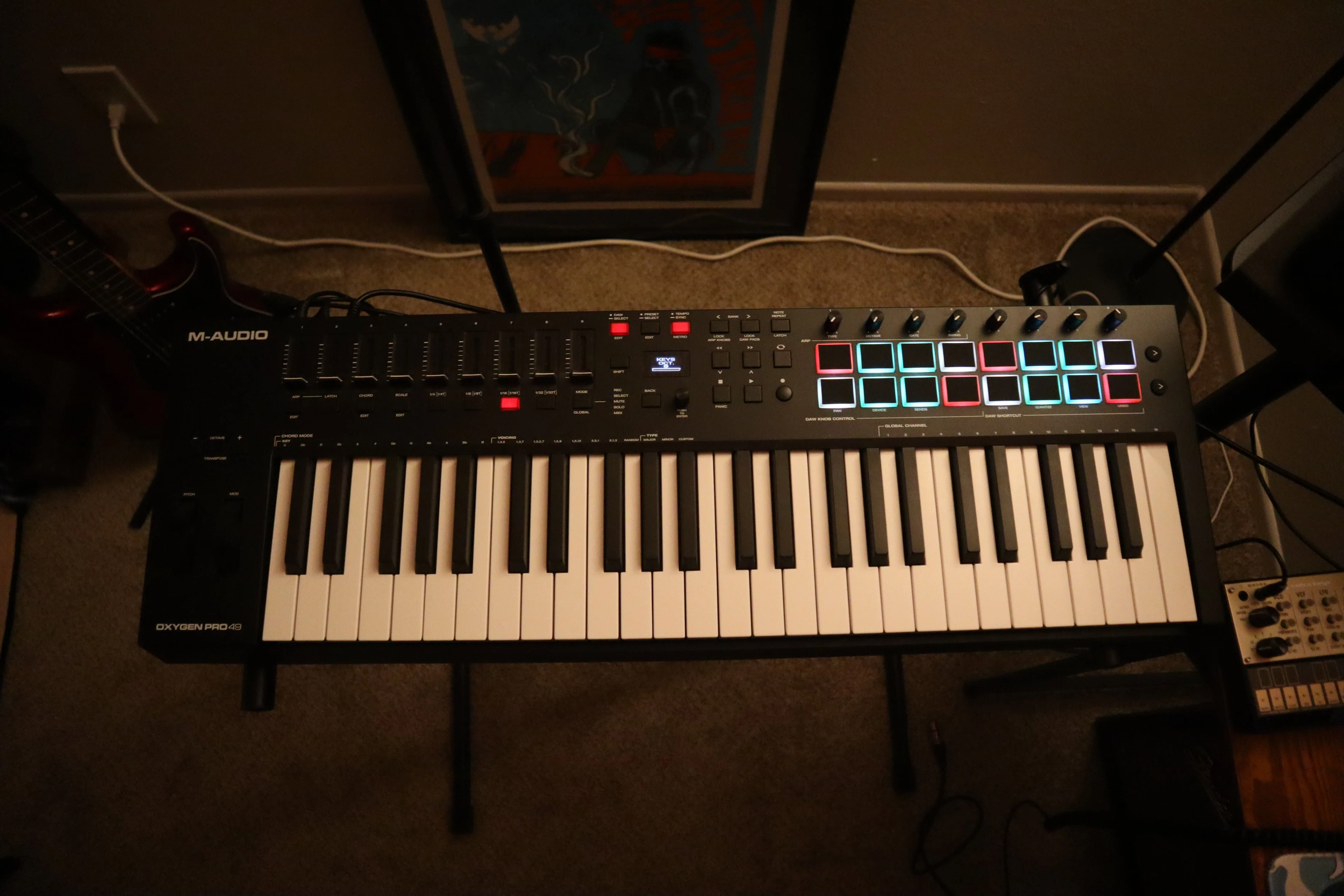
I picked this one for the weighted keys, which feel better to play than the light, springy keys on many budget controllers. It also has a lot of extra controls that I honestly don’t use. If you only want to play and record melodies, a simpler keyboard will do the same job for less.
The guitar: Fender Stratocaster
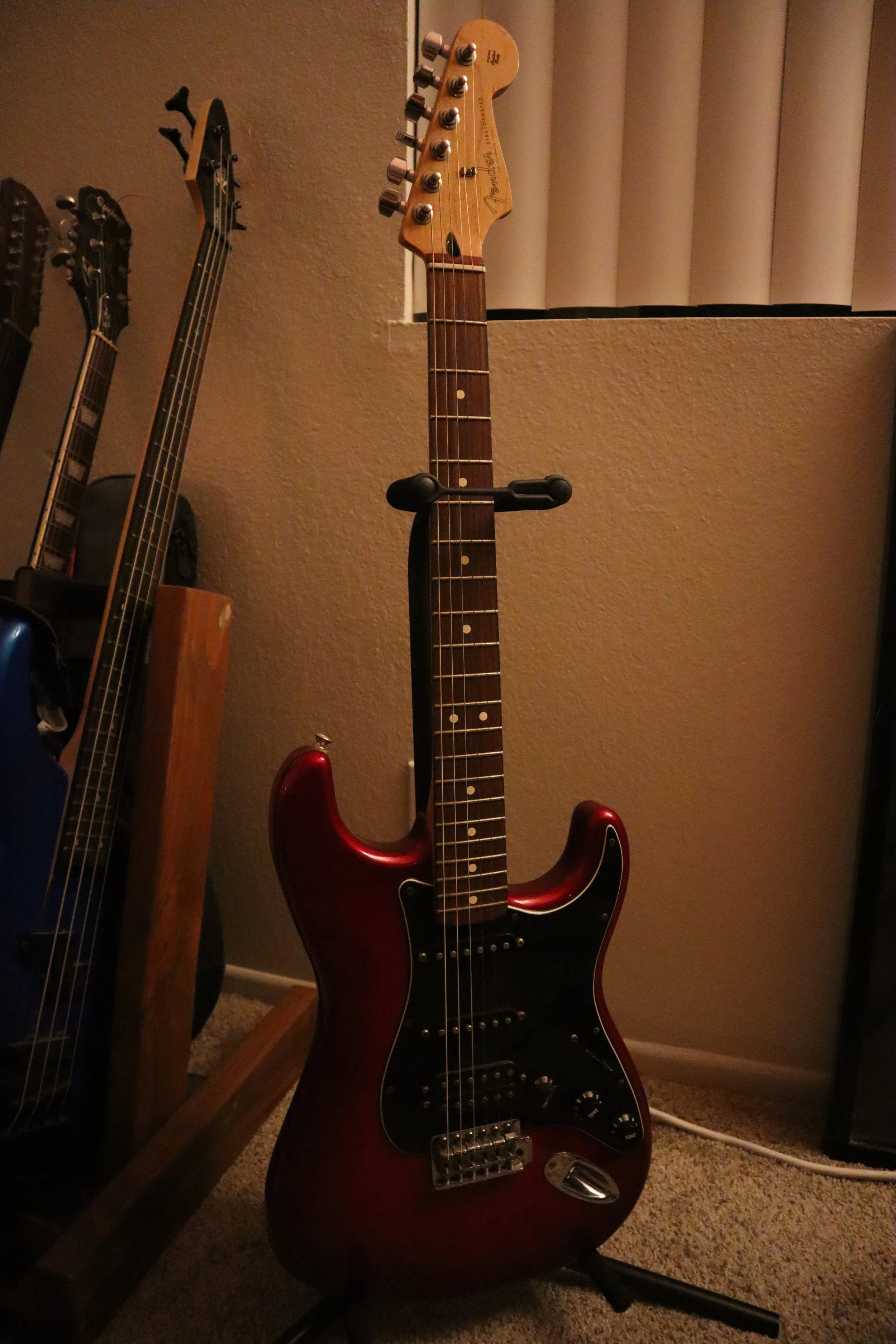
I’m traditionally a blues player, and the Strat fits how I play. The feel of it, the cut of the body, and the tone all suit my style. Pick a guitar for how it feels in your hands and sounds in your playing, not for what everyone else is using.
The synth: Korg Volca Keys
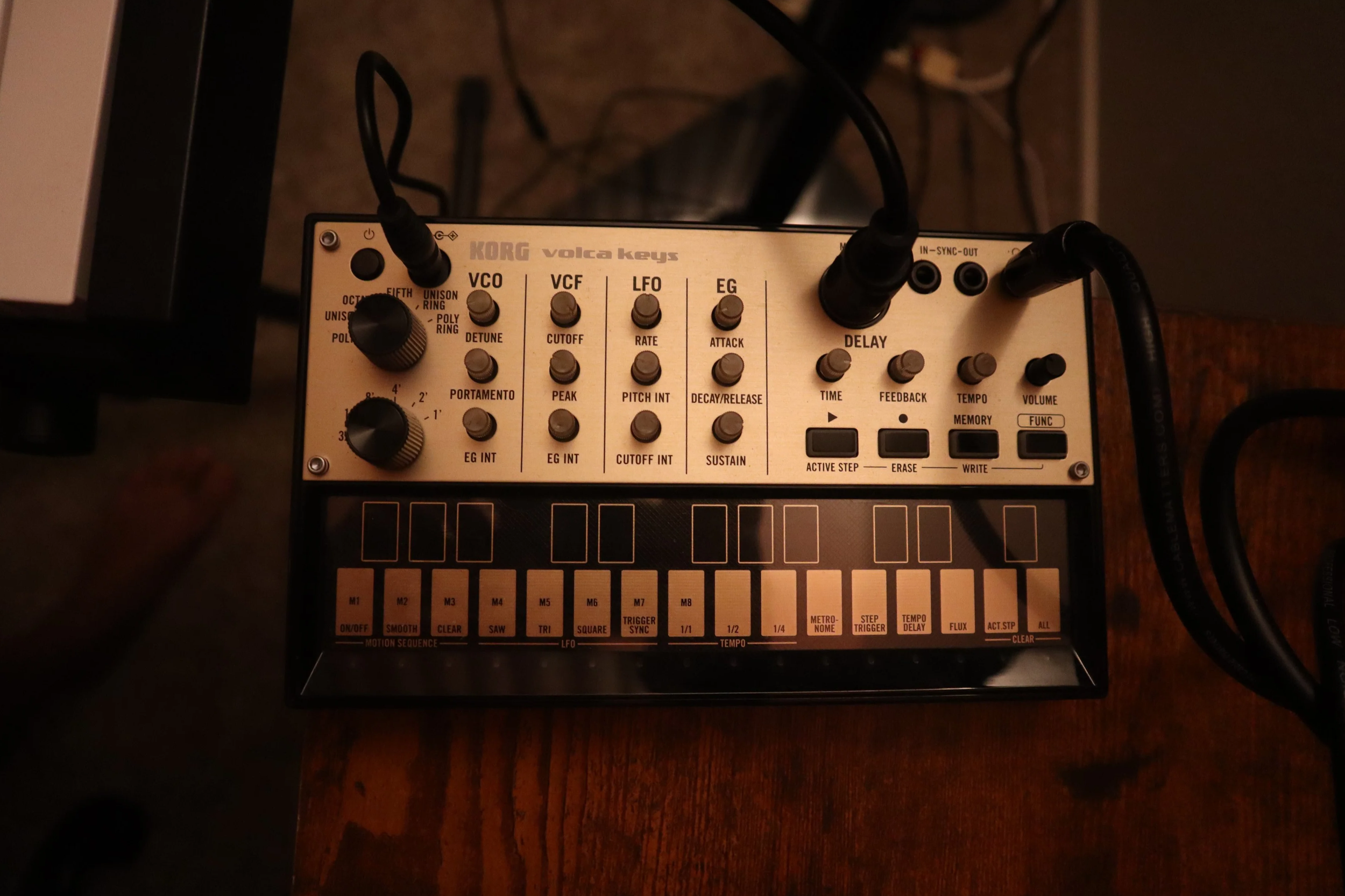
This is my newest piece, and I wouldn’t call it essential. Learning sound design on analog gear has been helpful, because turning real knobs teaches you how a sound is built in a way that clicking through a plugin doesn’t. But I’ll be honest: you can get better sounds out of a software synth on your computer for less money. If you’re building your first setup, start with a plugin, and buy hardware later if you want the hands-on experience.
What I’d tell you
Looking at this list, almost everything here was bought after I understood how I like to work. The exceptions are the ones I regret, like purchasing Omnisphere, which cost me most of a summer paycheck because I saw big producers using it. Gear is only useful once it solves a problem you actually have. Start simple, make music, and upgrade when something holds you back.
Whether you’re working out of a bedroom, a closet, or a corner of the living room, there’s room for your sound.